
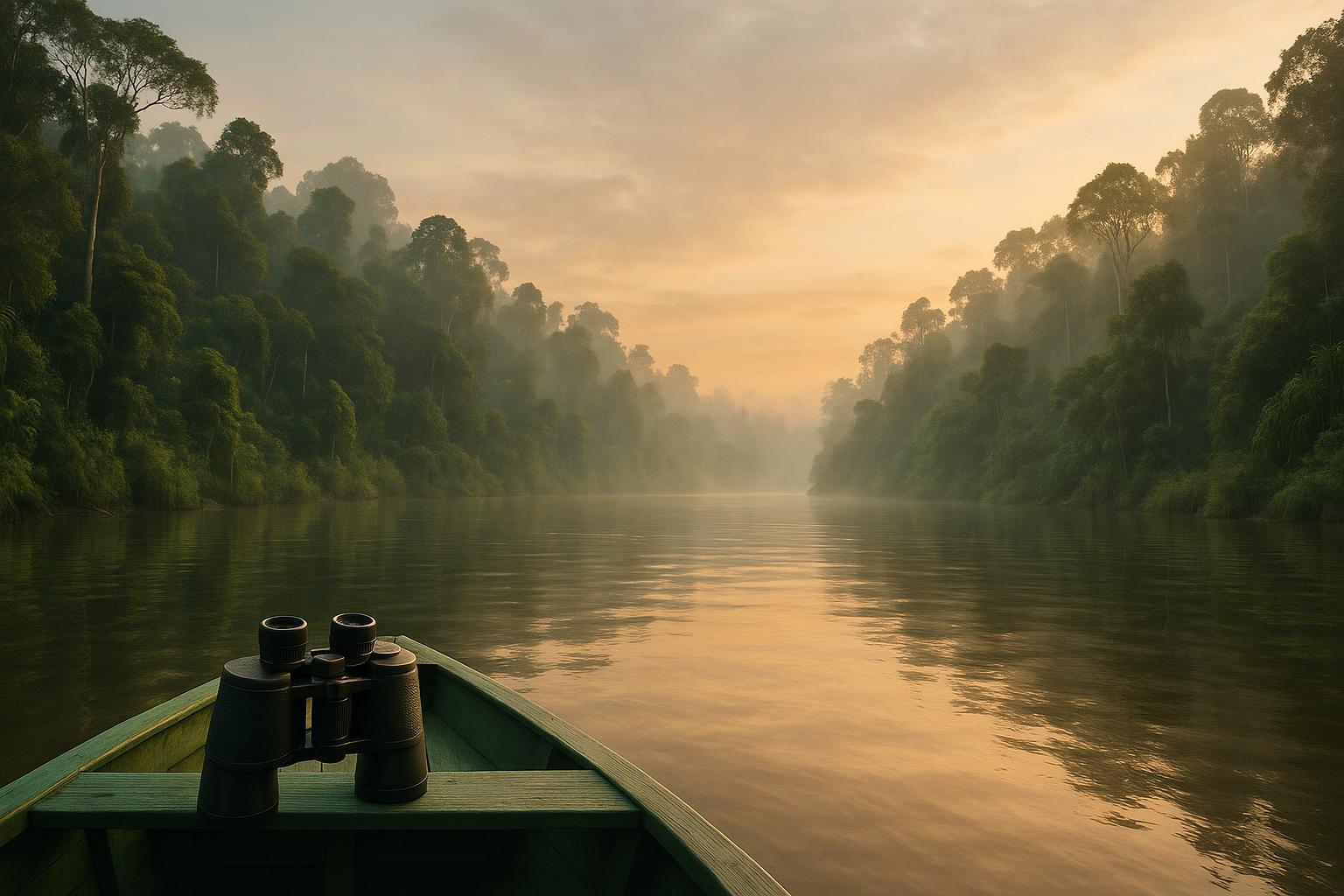
Quick answer: A guided tour Kinabatangan river experience adds genuine expertise to wildlife spotting, since an experienced local guide can identify species and read animal behaviour in ways an unguided visit simply can’t match. This makes a real difference to what you actually see and understand during your visit.
Contents
- Why Does a Guide Make Such a Difference?
- What Does a Typical Guided Tour Include?
- What Should You Look For in a Guide?
- How Should You Plan Your Visit?
- Frequently Asked Questions
Spotting wildlife along a riverbank takes genuine skill, which is exactly why a guided tour Kinabatangan river experience adds so much value over an unguided visit. Understanding what a good guide brings to the experience helps you appreciate why this matters so much here specifically.
Knowing what to expect, and what to look for in a guide, helps you plan a trip that genuinely makes the most of this remarkable location.
Why Does a Guide Make Such a Difference?
Experienced local guides know specific spots where wildlife regularly gathers, understand animal behaviour patterns, and can spot camouflaged or distant animals that untrained eyes would simply miss. This local knowledge, built over years of working the same stretch of river, genuinely transforms the experience.
Guides also provide context and identification that turns a simple sighting into genuine understanding of the animal’s behaviour and significance within the ecosystem.
What Does a Typical Guided Tour Include?
Tours typically combine boat-based wildlife spotting with a knowledgeable guide’s running commentary, identifying species and explaining behaviour as you go. Many tours also include information about conservation efforts and the specific environmental pressures facing this ecosystem.
Multiple outings across different times of day are often included, maximising your overall chances of varied and meaningful wildlife encounters.
What Should You Look For in a Guide?
Genuine local experience and specific knowledge of the Kinabatangan area matters more than general wildlife guiding experience alone. ABTA notes that well-qualified local guiding significantly enhances the quality of wildlife travel experiences, which is particularly true in ecosystems as rich and specific as this one.
It’s also worth checking reviews specifically mentioning guide quality, since this varies considerably between operators even within the same general area.
How Should You Plan Your Visit?
Booking a stay of at least a couple of nights, rather than a rushed day trip, allows time for multiple guided outings across different times of day, considerably improving your overall wildlife viewing chances. It’s also worth discussing your specific interests with your guide or operator in advance, since this can help shape which parts of the river you focus on.
Packing appropriately for humidity and sun exposure, alongside good binoculars if you have them, helps you make the most of the experience once you’re there.
Frequently Asked Questions
Is a guided tour significantly better than exploring independently?
Yes, given how much local knowledge contributes to spotting and understanding wildlife, a guided tour typically offers a considerably richer experience than attempting to explore independently. Independent access to the river is also often limited without a local operator.
How many guided outings should you plan during your stay?
Multiple outings across different times of day, ideally including both dawn and dusk, give the best overall chances of varied wildlife sightings. A stay of at least a couple of nights allows for this kind of multiple-outing approach.
Do guides typically speak good English?
Most established tour operators in this area provide guides with strong English language skills, though it’s worth confirming this specifically when booking if language is a particular concern. Reviews often mention guide communication quality specifically.