
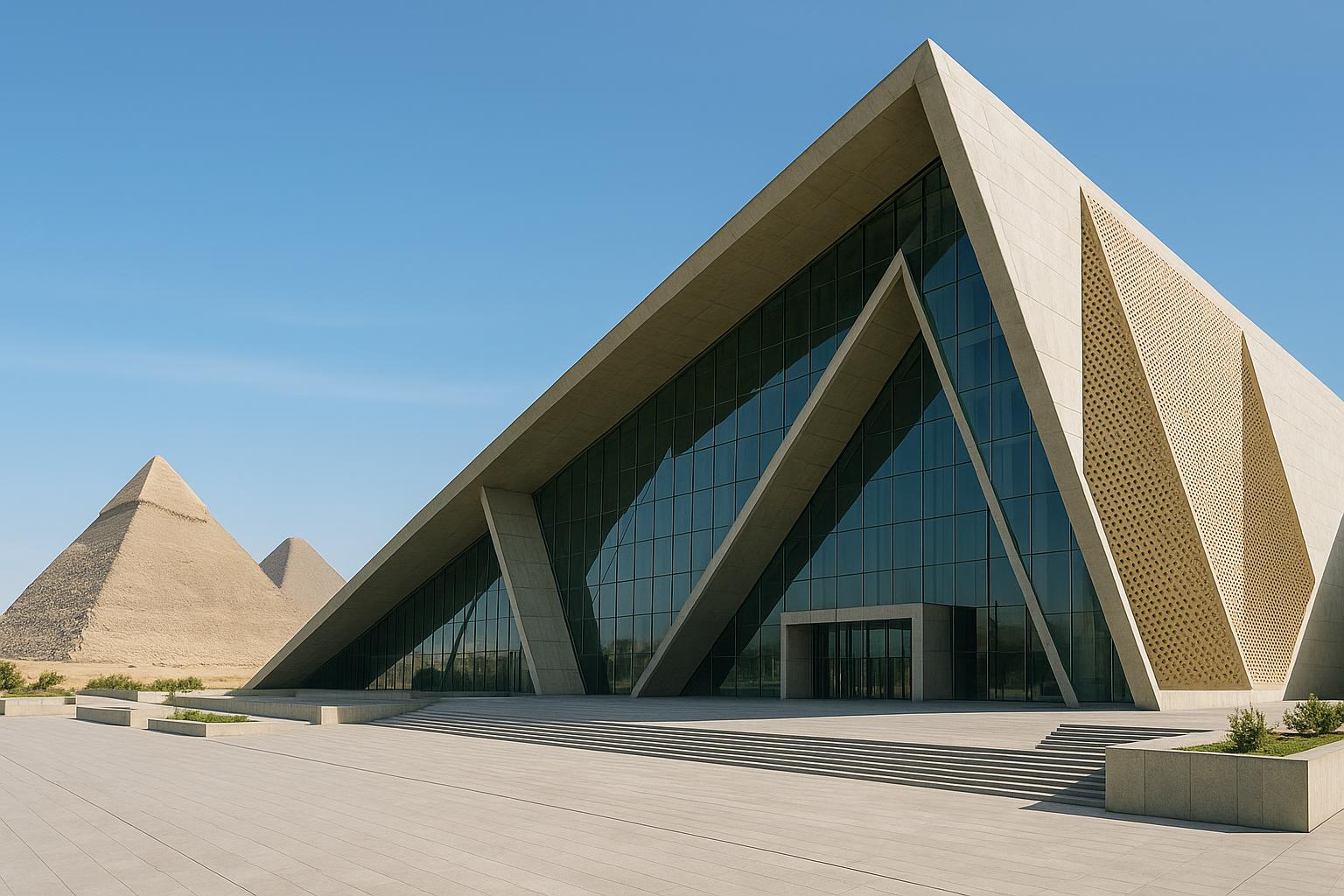
Quick answer: The new Grand Egyptian Museum houses an unprecedented collection of ancient Egyptian artefacts, including the complete Tutankhamun collection displayed together for the first time, making it a genuinely significant addition to any Egypt itinerary. Understanding what makes this museum special helps you plan a visit that does it justice.
Contents
- What Makes This Museum Genuinely Significant?
- What Can Visitors Expect to See?
- How Should You Plan Your Visit?
- How Does It Fit Into a Wider Egypt Itinerary?
- Frequently Asked Questions
Few museum openings have generated as much genuine anticipation as the new Grand Egyptian Museum, bringing together an extraordinary collection of artefacts in a purpose-built setting near the Pyramids of Giza. Understanding what makes this museum so significant helps you appreciate why it’s become such an important addition to Egypt travel itineraries.
Knowing what to expect, and how to plan your visit, helps you make the most of this remarkable collection.
What Makes This Museum Genuinely Significant?
The museum houses the complete Tutankhamun collection displayed together for the first time in its history, alongside thousands of other artefacts spanning the full breadth of ancient Egyptian civilisation. Its scale and purpose-built design also represent a genuinely significant investment in preserving and presenting this history.
The museum’s location near the Pyramids of Giza also creates a genuinely powerful combination, connecting the artefacts directly to the monuments and landscape that produced them.
What Can Visitors Expect to See?
Beyond the Tutankhamun collection, visitors can expect an extensive chronological journey through ancient Egyptian history, from early dynastic periods through to the later kingdoms. The museum’s design incorporates natural light and carefully considered display spaces intended to give artefacts genuine room to be properly appreciated.
Interactive and educational elements throughout also help make the extensive collection genuinely accessible to visitors without deep prior knowledge of Egyptian history.
How Should You Plan Your Visit?
Given the museum’s scale, allowing a full day, rather than a rushed few hours, helps you genuinely appreciate the collection without feeling constantly hurried. Booking tickets in advance is worth doing given the genuine popularity of this new attraction.
Considering a guided tour, at least for key highlights like the Tutankhamun collection, can add valuable context that’s easy to miss exploring independently.
How Does It Fit Into a Wider Egypt Itinerary?
The museum pairs naturally with a Cairo stay, often combined with visits to the Pyramids of Giza given their close proximity. For travellers also planning a Nile cruise, building the museum into the Cairo portion of a combined itinerary creates a genuinely comprehensive introduction to Egyptian history spanning both major regions.
Given how significant this addition is, it’s increasingly considered a genuine must-see alongside the more traditional Egypt highlights.
Frequently Asked Questions
How much time should you allow for a visit?
A full day is generally recommended given the museum’s scale and the significance of its collection, rather than trying to rush through in just a few hours. This allows genuine appreciation of the extensive displays.
Do you need to book tickets in advance?
Yes, given the museum’s popularity, booking tickets ahead of your visit is strongly advisable to avoid disappointment or long queues. This is worth building into your trip planning early.
Is the museum suitable for visitors with limited prior knowledge of Egyptian history?
Yes, the museum’s design and educational elements are intended to make the collection genuinely accessible regardless of prior knowledge. A guided tour can add further helpful context for visitors wanting deeper understanding.