
Quick answer: Lead roofing Andover buildings often specify for flat roofs and detailing remains one of the most durable roofing solutions available, but genuine longevity depends heavily on correct installation and material specification. Understanding what to look for helps you choose a contractor who’ll deliver a roof that lasts.
Contents
- What Makes Installation Quality So Critical?
- What Should You Check in a Contractor?
- What Does Material Specification Involve?
- What Should You Expect From a Quote?
- Frequently Asked Questions
Genuine longevity from lead roofing Andover properties depend on comes down almost entirely to correct installation, making contractor choice one of the most important decisions in the whole process. Understanding what genuinely affects installation quality helps you choose a contractor who’ll deliver lasting results.
Knowing what to check in material specification, and what a proper quote should include, helps you make a genuinely informed decision.
What Makes Installation Quality So Critical?
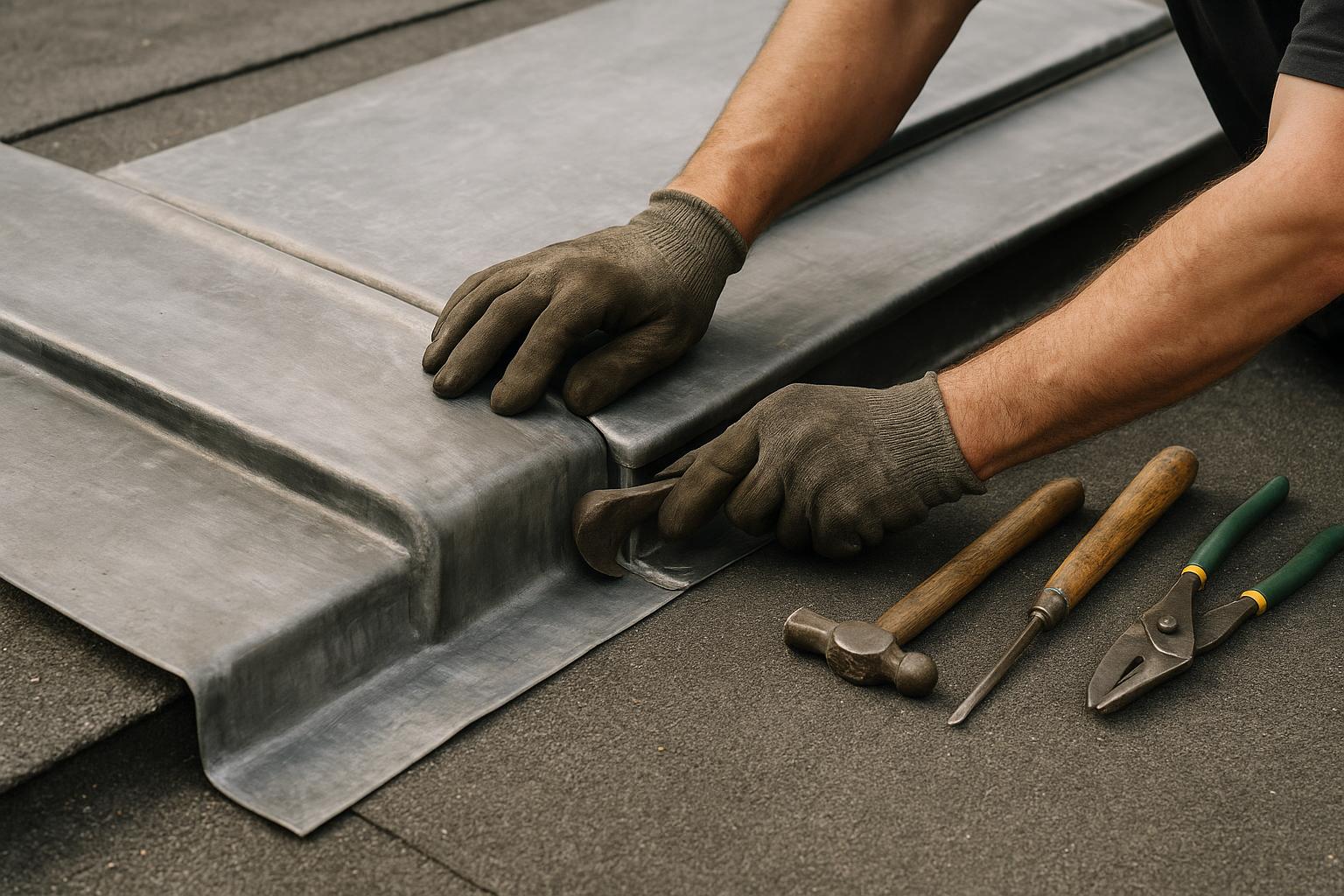
Lead’s exceptional longevity depends entirely on correct installation practice, since even a genuinely high-quality material fails prematurely if fitted incorrectly. Proper expansion joint spacing, correct falls for drainage, and appropriate lead thickness for the specific application all significantly affect how long a roof actually lasts.
This is why experienced specialist contractors, rather than general roofers without specific lead experience, tend to deliver considerably better long-term results.
What Should You Check in a Contractor?
Checking for genuine, demonstrable experience specifically with lead roofing, rather than general roofing experience alone, is worth doing before committing to any contractor. According to the Lead Contractors Association, following recognised installation standards significantly affects the long-term performance of lead roofing work.
Requesting examples of previous lead roofing projects, ideally including some you can view directly, gives genuine confidence in a contractor’s actual capability.
What Does Material Specification Involve?
Lead comes in different codes, referring to thickness, with the appropriate code depending on the specific application and roof area involved. Using undersized lead for a given application is a common cause of premature failure, making correct specification genuinely important.
A reputable contractor should clearly explain their proposed specification and why it suits your specific roof, rather than applying a generic approach regardless of your property’s particular needs.
What Should You Expect From a Quote?
A genuinely thorough quote should specify exact lead code, coverage area and installation approach, rather than a vague overall price without meaningful detail. It’s also worth confirming what guarantee or warranty is offered on both materials and workmanship.
Comparing quotes on genuine like-for-like specification, rather than headline price alone, helps you make a fair comparison between contractors.
Frequently Asked Questions
What happens if lead roofing is installed with incorrect thickness?
Undersized lead is prone to premature cracking and failure, particularly from thermal movement over time. This is why correct specification for your specific roof application genuinely matters.
How can you verify a contractor’s lead roofing experience?
Asking for specific examples of previous lead roofing projects, and ideally speaking with previous clients, gives genuine confidence beyond a contractor’s own claims. Checking any relevant industry association membership is also worth doing.
Does lead roofing require planning permission?
This depends on your specific property and any listed status, so it’s worth checking with your local planning authority for guidance specific to your situation. A reputable contractor should also be able to advise on this.