
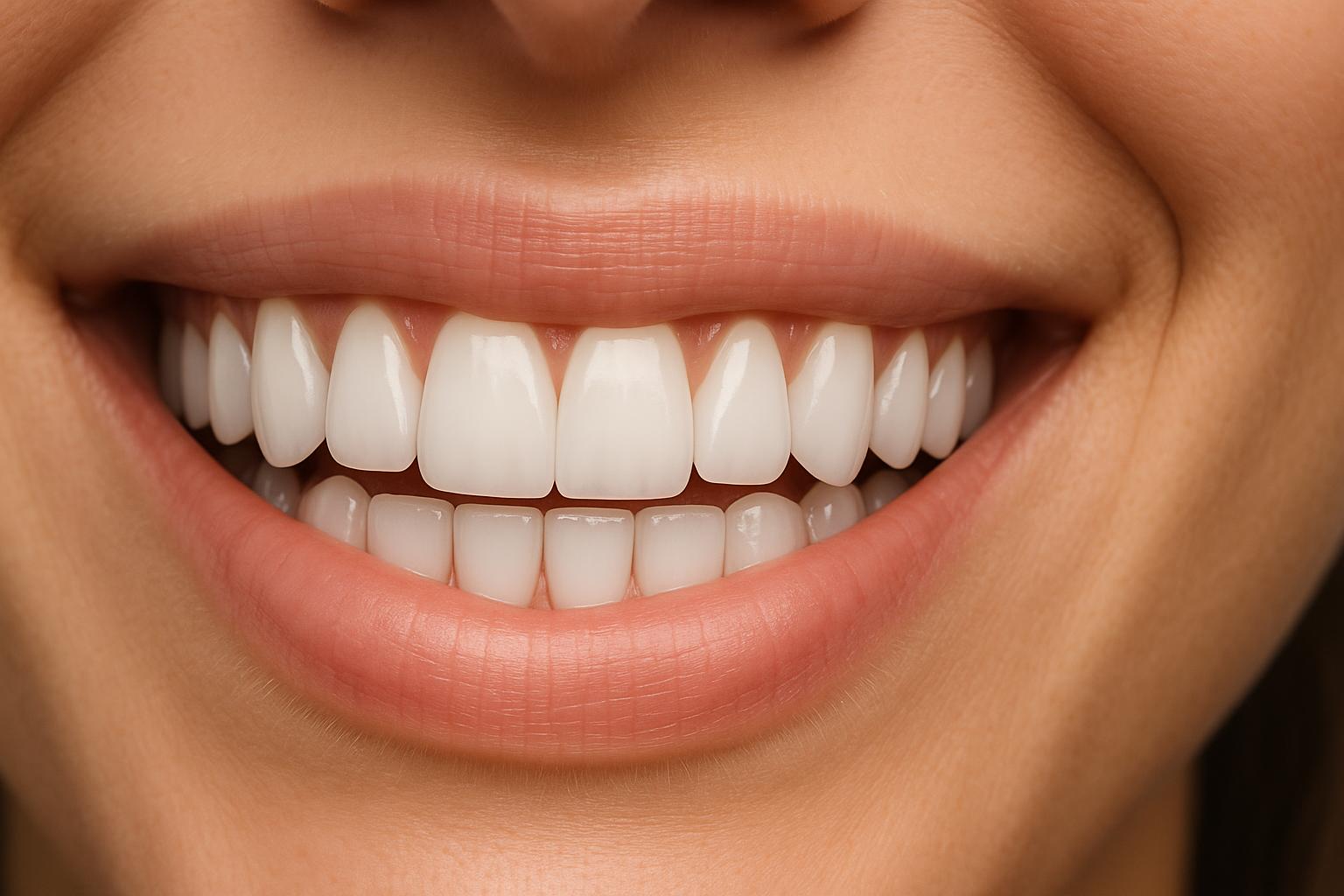
Quick answer: Dental veneers Fleet patients consider offer a way to improve the appearance of chipped, discoloured or uneven teeth through thin custom-made shells bonded to the tooth surface. Understanding the process and realistic expectations helps you decide if they’re genuinely right for you.
Contents
- What Are Dental Veneers Actually Made From?
- What Issues Can Veneers Genuinely Address?
- What Does the Process Typically Involve?
- How Long Do Veneers Typically Last?
- Frequently Asked Questions
For patients wanting to improve the appearance of their smile, dental veneers Fleet practices offer are a genuinely popular cosmetic option worth understanding properly before committing. Knowing what the treatment actually involves helps set realistic expectations.
Understanding what veneers can and can’t address helps you have a more informed conversation with your dentist about whether they suit your specific situation.
What Are Dental Veneers Actually Made From?
Veneers are typically made from either porcelain or composite resin, thin shells custom-made to fit over the front surface of a tooth. Porcelain veneers generally offer greater durability and a more natural translucent appearance, while composite veneers tend to be more affordable and can often be completed in a single visit.
Your dentist can advise which material genuinely suits your specific needs, budget and the particular issue you’re looking to address.
What Issues Can Veneers Genuinely Address?
Veneers work well for addressing chips, discolouration that hasn’t responded to whitening, minor gaps, or slightly uneven tooth shape and alignment. They’re a cosmetic solution specifically, meaning they don’t address underlying structural or health issues that might need separate treatment first.
A thorough dental assessment beforehand helps confirm whether veneers are genuinely the right solution for your specific concern, rather than another treatment being more appropriate.
What Does the Process Typically Involve?
The process typically starts with an assessment and planning discussion, followed by minimal preparation of the tooth surface to allow the veneer to fit properly. Porcelain veneers usually require a temporary veneer while your custom shells are made, followed by a fitting appointment once they’re ready.
All practising dentists in the UK must be registered with the General Dental Council, which is worth confirming for any practice you’re considering for cosmetic treatment specifically.
How Long Do Veneers Typically Last?
Porcelain veneers typically last ten to fifteen years or longer with proper care, while composite veneers generally have a shorter lifespan, often around five to seven years. Good oral hygiene and avoiding habits like teeth grinding or using teeth as tools genuinely extends their working life.
Regular dental check-ups also help catch any issues with veneers early, before they become more significant problems requiring replacement.
Frequently Asked Questions
Are dental veneers reversible?
No, since a small amount of tooth enamel is typically removed to fit the veneer properly, the process is generally considered irreversible. This is worth genuinely understanding before committing to treatment.
Do veneers require special care compared to natural teeth?
Standard oral hygiene, regular brushing and flossing, applies to veneers just as it does to natural teeth, though it’s worth avoiding biting very hard foods directly with veneered teeth. Your dentist can give specific care guidance for your particular veneers.
Can veneers be whitened if they discolour over time?
No, veneers don’t respond to whitening treatments the way natural teeth do, so maintaining good oral hygiene and avoiding excessive staining foods and drinks helps preserve their appearance. Replacement is generally the option if discolouration becomes a genuine concern.